
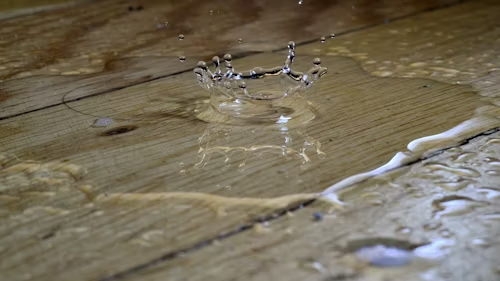
If you’ve never had to deal with extensive water damage in your home or workspace, consider yourself lucky. Surveys and studies highlight that at least 40% of Australian residents experience a significantly serious water damage incident at least once. Water damage around the home is typically caused by heavy rainfall, burst pipes, or even leaking roofs.
Research also highlights that water damage is the leading cause of home insurance claims and even surpasses burglary and fire in frequency. The plumber Brisbane locals rely on has extensive experience in dealing with the issues that cause water damage around your home. This post takes a closer look at a few key tips to help you deal with water damage.
Water Damage Cleaning Pointers
Cleaning water damage can take anything from 10 minutes to several days, depending on the severity of the damage. It’s essential to start the clean-up process immediately to avoid the formation of mould as well as reduce the likelihood of additional damage to walls, flooring, and furnishings. Our team of Brisbane plumbers has compiled a list of simple tips to help you reduce the damage around your home.
- Switch the Water Off
The number one tip your plumber wants to embrace is switching the water off at the mains as soon as you detect the water leak. This is more effective than placing buckets or containers under the offending tap, pipe, or roof.
If the water is leaking into areas where you have electrical cables or extensions on the floor, the power will need to be switched off as well. Once the water is turned off, call your plumber and begin the cleaning process.
- Analyse the Type of Water You’re Dealing With
Before you grab the nearest bucket and cloth, our experts recommend assessing what type of water you’re dealing with. Clean, clear water from rain or plumbing pipes will do the least amount of damage, as this usually requires basic drying.
Grey water from washing machines, dishwashers, and black water (sewage) may require additional cleaning after the drying process. Areas that have experienced black water will need to be rewashed and sanitised to ensure they’re germ and bacteria-free. Water containing chemicals will need to be cleaned up as soon as possible to avoid extensive damage.
- Dry the Area
Once you have turned the water off, called the plumber, and assessed what type of water you’re dealing with, the next step is to roll up your sleeves and start the great clean-up. A key tip here is to do a thorough cleanup, being very meticulous to dry the area properly. Doing this will ensure that you reduce the likelihood of mould and bacteria forming.
This process involves using microfibre cloths, towels, and even circulating the air using fans. If possible, use a large-capacity dehumidifier to dry out carpet, wood, and other furnishings. Curtains and fabrics should be washed to avoid those unsightly water stains.
- Assess the Extent of Your Damage
Once your plumber has repaired the issue, it’s time for you to assess the extent of the damage. This can be as minor as having a few loose tiles to having to repair walls or flooring. Items that can’t be salvaged should be tossed out.
Items that have been soaked through may not be salvageable. It’s essential to take photos and get a plumber’s report for your insurance claim. It’s also a good idea to speak to your plumber about upgrading older plumbing components that could cause water damage in the future.
- Disinfect Your Space
The final step in dealing with your water damage nightmare is to disinfect the affected area. This is especially crucial if the water damage was caused by an overflowing drain or toilet. Not only does this remove harmful bacteria, but disinfecting and sanitising also reduce mould and remove any odours.
Bleach is among the more common disinfectant solutions, but this can stain fabrics or strip paint from delicate surfaces. It’s important to opt for disinfectant solutions that won’t harm the items you’re trying to clean.
Once you have cleaned and disinfected the items in your home, open windows or switch on fans and air conditioning units. This will help reduce moisture build-up in small crevices and gaps. Where possible, take loose items outside to air dry. This is also a good opportunity to give your house or the affected room a much-needed deep clean.
Cleaning Up
Cleaning up water damage after a plumbing issue can be challenging if you don’t know where to start. The priority is to switch off the water and call the plumber. Dry up and remove as much of the water as possible while the plumbers are busy with repairs.
Once all of these have been finalized, it’s essential to clean, wash, and sanitize the area. Allow the area to dry out completely before moving items back into the space. Be sure to call your plumber as soon as you detect an issue, as this will go a long way toward reducing the severity of the damage.
Local News Via - MyrtleBeachSC.com