
A History of Murrells Inlet, South Carolina
Written for the people who call this place home
Introduction
If you have ever sat on the MarshWalk watching the sun melt behind the cordgrass, you already know something true about Murrells Inlet that no history book can fully capture: this place holds on to things.
It holds on to the smell of salt water and frying fish, to the memory of shrimpers who worked these tides before the restaurants arrived, to legends of pirates who slipped through the same creeks that now carry kayak tours. Murrells Inlet is not just the “Seafood Capital of South Carolina” — it is one of the oldest, most layered communities on the entire Eastern Seaboard, and most people driving through on Highway 17 have no idea. [MarshWalk History, 2023]
What follows is not a dry list of dates. It is the story of a place shaped by the water around it — by the tides that carried rice and indigo to British merchants, by the coves that sheltered pirates from the Royal Navy, by the floods that broke the plantation economy, and by the generations of families who rebuilt something better each time the storms came through.
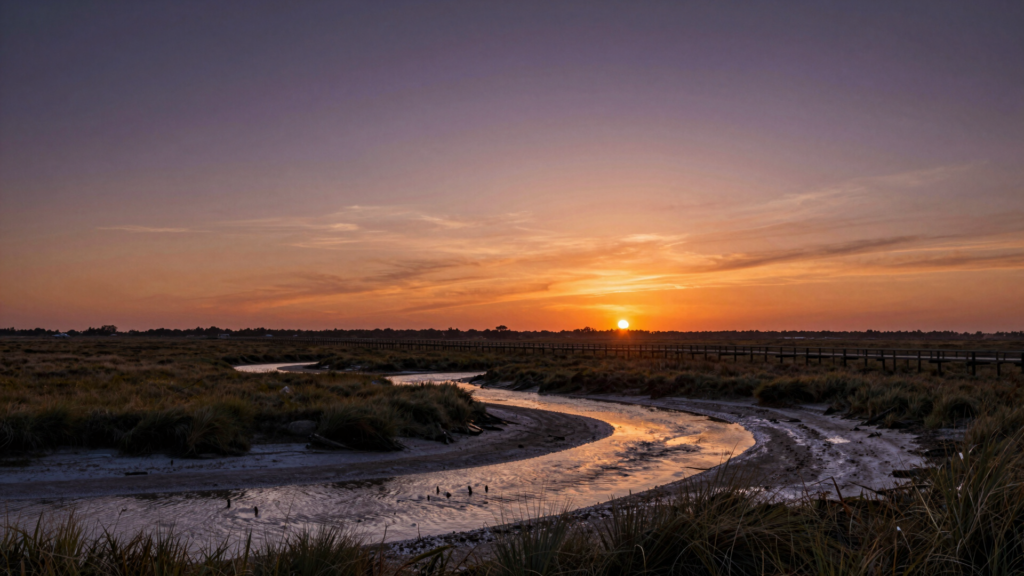
For those of us who live here, this history is not past tense. It is buried in the names of the streets, the shape of the creeks, and the way the old-timers still talk about the inlet like it belongs to them. It does. [South Carolina Encyclopedia, 2022]
Before John Morrall: The Land That Remembered
The story of Murrells Inlet does not begin in 1731. It begins thousands of years earlier, written in shell middens and burial mounds along the high bluffs of the Waccamaw Neck.
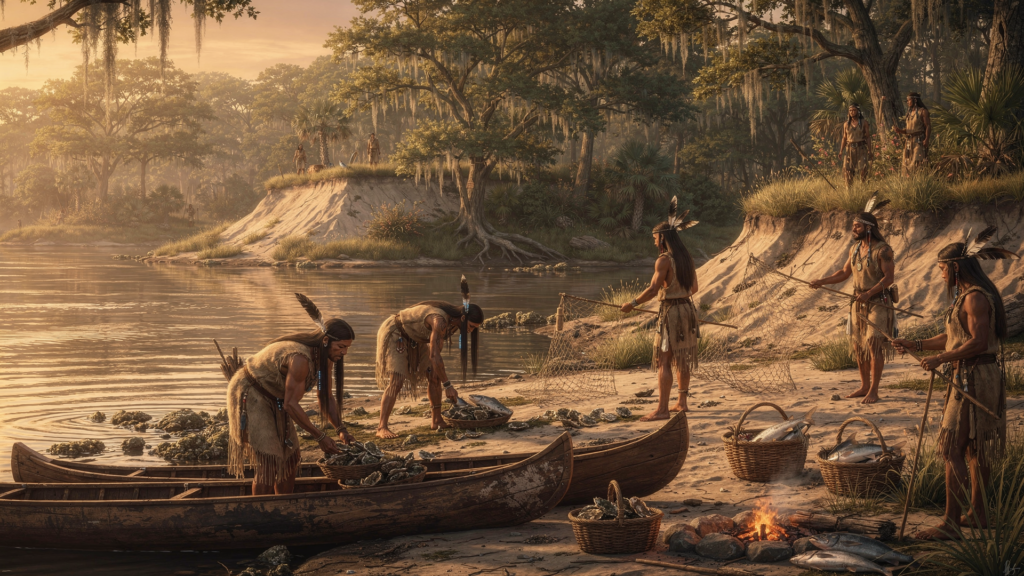
The Waccamaw people were the original stewards of this landscape, building their communities along the Waccamaw and Pee Dee rivers and harvesting the extraordinary abundance of the tidal creeks — the same oysters, clams, shrimp, and fish that restaurants along the MarshWalk still serve today. [Wikipedia, Murrells Inlet, 2024]
The name “Wachesaw,” still used for a nearby community, is loosely translated as “Place of Great Weeping,” a reference to the sacred burial grounds the Waccamaw maintained along these bluffs.
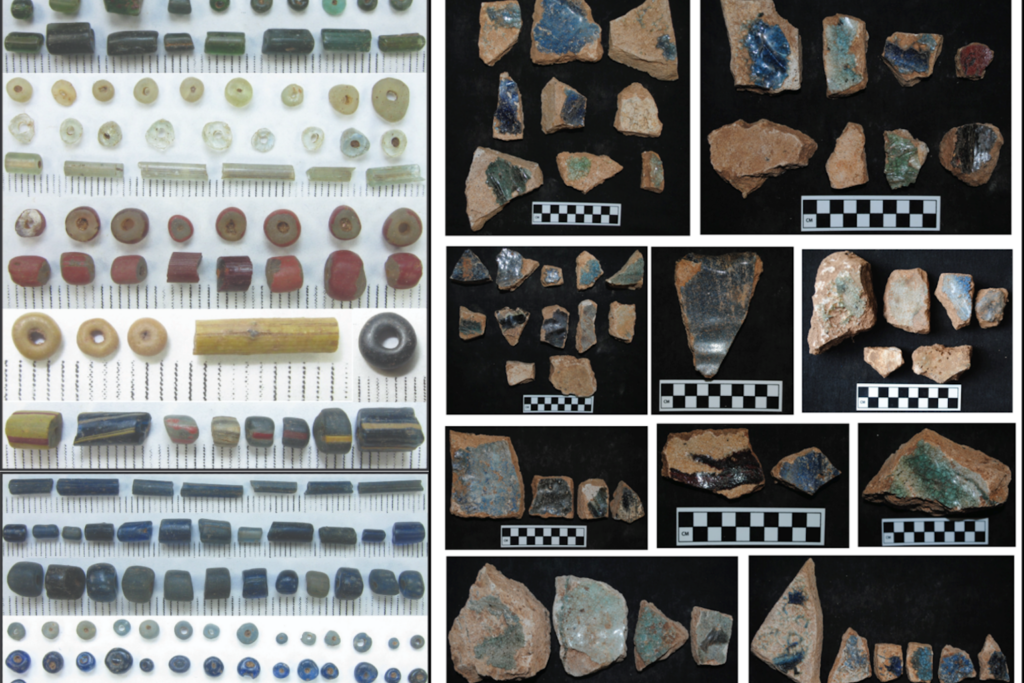
When archaeologists excavated these mounds, they found something that complicates the idea of a clean before-and-after with European arrival: the graves contained both indigenous pottery and European glass beads, evidence that trade and contact happened long before formal colonization. The Waccamaw were not passive recipients of European civilization — they were active participants in a shifting world. [Wikipedia, Murrells Inlet, 2024; Hammock Coast SC, 2020]
By the early 1700s, Spanish explorers had already mapped and named parts of this coastline, and the inlet’s geography — its hidden coves, shallow tidal creeks, and access to the Waccamaw River — was already well understood by anyone who moved goods or people along the Carolina coast.
When English colonist John Morrall arrived in 1731 and purchased 610 acres on the inlet, he was not discovering empty wilderness. He was planting a flag in a landscape that already had a long, complex human history. [SC Encyclopedia, 2022; Visit Myrtle Beach, 2023]
So what? The Waccamaw people are not a footnote to Murrells Inlet’s story — they are its opening chapter. The same tidal geography that made this inlet valuable to them is the reason it is valuable now. Every fresh shrimp served at a waterfront table is a continuation of a harvest that began thousands of years before anyone thought to name the place.
Pirates, Planters, and an Empire Built on Rice
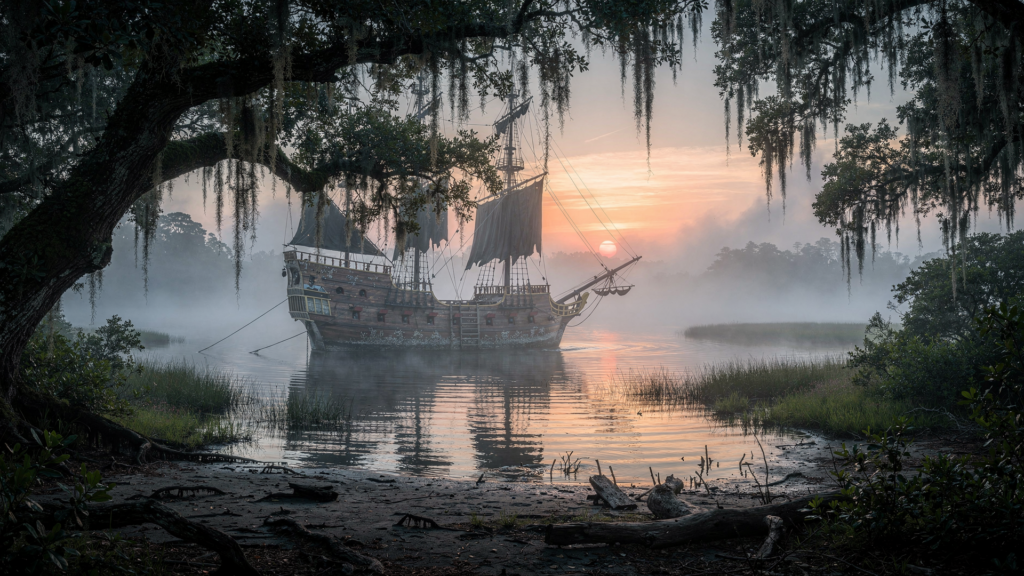
The 18th century transformed Murrells Inlet from a remote coastal settlement into one of the busiest small ports in the Southern colonies. The engine of this growth was rice.
By the mid-1800s, the plantations lining the Waccamaw Neck — Brookgreen, The Oaks, Springfield, Laurel Hill, Richmond Hill, and Wachesaw — were collectively producing close to 47 million pounds of rice annually, an output that dwarfed the tobacco and cotton yields of neighboring regions. Ships moved through the inlet’s ports loaded with rice and indigo bound for British markets, with turpentine, cotton, and peanuts heading north to colonial cities. [Visit Myrtle Beach History Guide, 2023; MarshWalk FAQ, 2023]
It was during this same era that the inlet earned its more colorful reputation. The early 18th century was the Golden Age of Piracy, and the Carolina coast — with its hidden inlets, shallow waters that could confound naval warships, and proximity to major Atlantic shipping routes — was prime territory for buccaneers in need of fresh water and a place to careen their hulls.
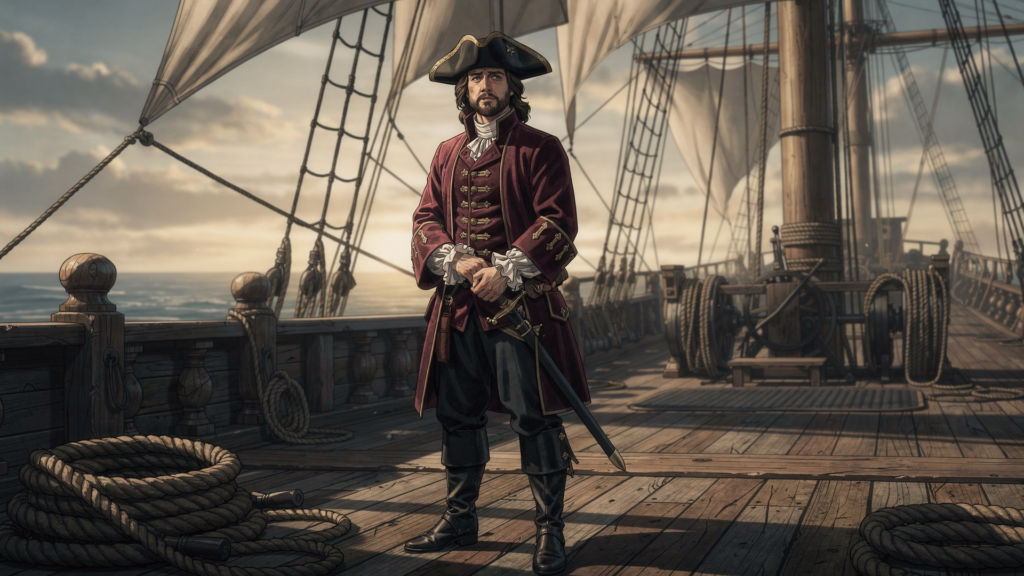
Local legend and historical research both point to Murrells Inlet as a likely stop for figures like Stede Bonnet, the so-called “Gentleman Pirate,” a wealthy Barbadian landowner who improbably purchased his own ship and turned to piracy in 1717.
Bonnet is documented to have operated extensively along the Carolina coast before his capture and hanging in Charleston in 1718. [Fish Finder Fishing Charters, 2024; Stede Bonnet Wikipedia, 2025]
The more famous Edward Teach — Blackbeard — is associated with the area primarily through legend rather than documented record. What is certain is that both men operated in these waters, and that the inlet’s geography made it exactly the kind of place a fugitive sailor would seek out.
The sandbar-laced shallows that frustrated Union warships a century later would have been equally useful to pirates dodging the Royal Navy. The legends are unverified, but they are not implausible. They are, in any case, now part of the inlet’s DNA. [Crazy Sister Marina, 2025; MarshWalk History, 2023]
Meanwhile, the plantation families — the Morralls, the Flaggs, the Allstons — built a rigid social order on the labor of enslaved people. A plantation owner’s “creek boy” was an enslaved man whose sole job was to work the inlet’s waters for seafood, making the harvest of the tidal marsh itself a product of forced labor.
The wealth these families accumulated bought them political power — Waccamaw Neck planters filled the South Carolina Senate, House, Governor’s office, and Lieutenant Governor’s seat throughout the 1800s. [SC Encyclopedia, 2022; Wikipedia, Murrells Inlet, 2024]
So what? The romance of the pirate era and the productivity of the rice empire are inseparable from the brutal economics that made both possible. The inlet’s identity as a place of freedom and adventure sits alongside its history as a place of enslavement. Both are true, and both belong to the story.
War, Weather, and the End of the Old Order
The Civil War did not arrive gently in Murrells Inlet. Because the inlet maintained active shipping routes to buyers in Britain and the northern colonies, it became a legitimate military target almost immediately.
Confederate blockade runners used the inlet to smuggle goods through Nassau, Havana, and Bermuda, evading the Union naval blockade. Salt — produced by evaporating seawater in large pans along the shore — became a crucial Confederate resource, and the inlet’s salt-making operations drew direct attacks. [Visit Myrtle Beach History Guide, 2023; SC Encyclopedia, 2022]
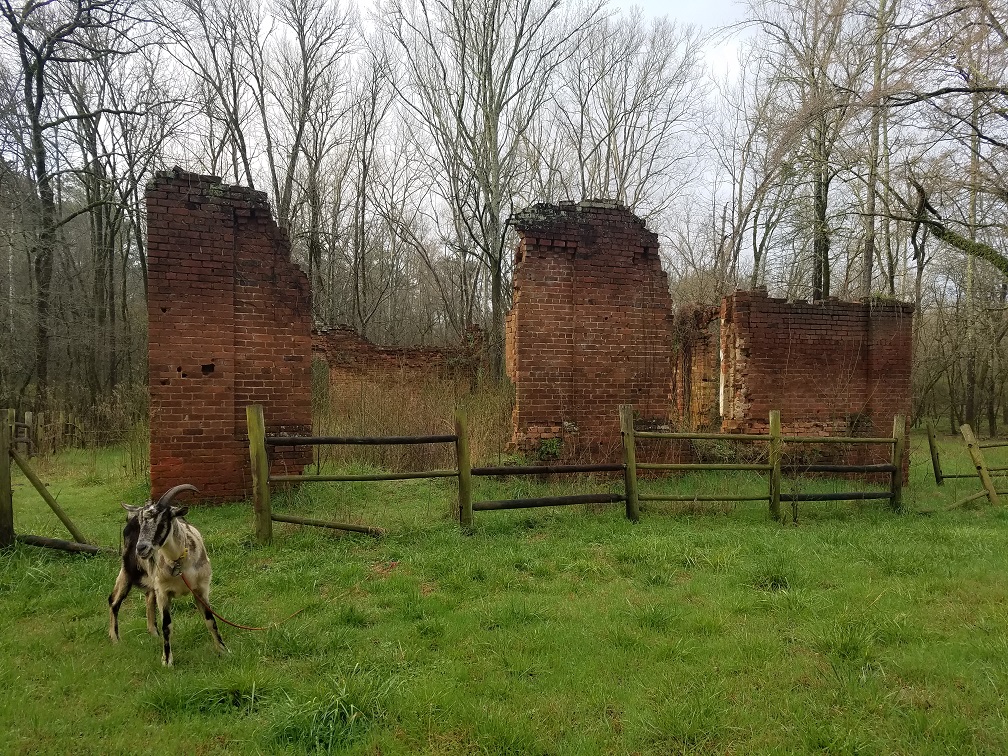
In December 1863, Admiral John Dahlgren of the U.S. South Atlantic Blockading Squadron dispatched six warships and hundreds of troops with orders to destroy Murrells Inlet.
A violent storm blew the fleet off course — the kind of meteorological intervention that the inlet seemed to inspire in its defenders — but one ship still managed to shell the waterfront and set fire to a blockade runner loaded with turpentine. Union sailors from the USS Ethan Allen separately landed and destroyed 2,000 bushels of Confederate salt. The inlet survived the war, but only just. [Visit Myrtle Beach History Guide, 2023]
The real destruction came from emancipation and nature together. When slavery ended in 1865, the rice plantation economy collapsed overnight — rice cultivation was extraordinarily labor-intensive, and the planters had no model for making it work with free labor.
Then a series of hurricanes in the late 19th century finished the job, culminating in the catastrophic 1893 storm known as the Flagg Flood, when the Atlantic Ocean reportedly rose to meet the Waccamaw River. The plantation houses, the rice fields, the entire architecture of the old Waccamaw Neck economy — all of it was broken within a single generation. [Wikipedia, Murrells Inlet, 2024; Visit Myrtle Beach History Guide, 2023]
So what? Murrells Inlet has been rebuilt from near-nothing before. The end of the plantation era was not just an economic disruption — it was a complete restructuring of who the inlet was for. What came next was something more democratic, and more genuinely rooted in the water itself.
The Seafood Capital Finds Its Identity
With the plantation economy gone, Murrells Inlet reinvented itself around the one resource that had always been here: the extraordinary richness of its tidal waters.
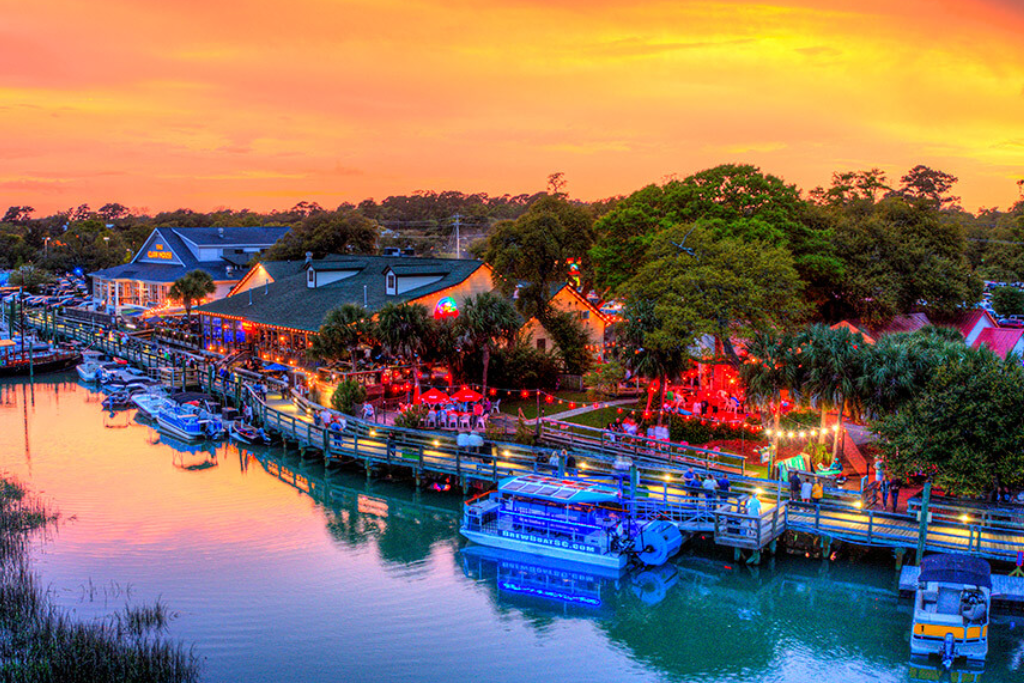
By the close of the 19th century, families from inland South Carolina towns — Marion, Conway, Florence — were making their way to the inlet by steamboat down the Waccamaw River for summer stays, drawn by the coastal breeze and the legendary oyster roasts.
The founding families of this new Murrells Inlet — the Morses, Nances, Vereens, Olivers, Chandlers, and Lees — built the culture of hospitality and fresh seafood that defines the place today. [SC Encyclopedia, 2022; Visit Myrtle Beach History Guide, 2023]
It was during this period that Murrells Inlet’s unique geography became its greatest asset. Positioned between the Waccamaw River and the Atlantic Ocean, with its namesake creek further dividing the landscape, the inlet gave fishermen access to three entirely distinct water sources: blackwater, tidal creek water, and deep water.
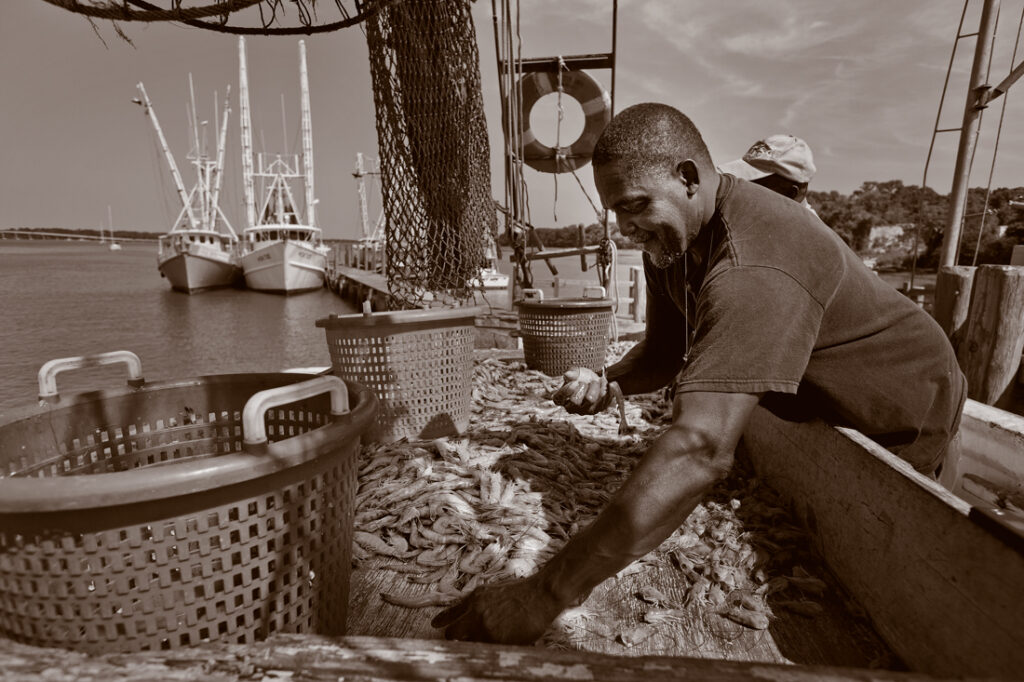
This convergence produced an exceptional variety and abundance of seafood. Shrimping, crabbing, and oystering became commercial industries, and the inlet’s reputation as the “Seafood Capital of South Carolina” was already taking shape before the post office officially named the town in 1913. [SC Picture Project, 2019; MarshWalk FAQ, 2023]
The 20th century brought accelerating growth. President Grover Cleveland’s duck hunting visit to Brookgreen in 1894 put the area on a wider cultural map. During World War II, inlet captains ran boats for the Crash Boat Station at what is now the government dock section of the MarshWalk, recovering the bodies of aviators lost during gunnery practice over the Atlantic.
The post-war prosperity of the 1950s made Murrells Inlet genuinely accessible to middle-class families from across the Southeast, and the seafood restaurants multiplied accordingly. The most famous permanent resident of the 20th century was crime novelist Mickey Spillane, who lived here for decades and found in the inlet’s unhurried pace the kind of quiet that lets a writer work. [SC Encyclopedia, 2022; My Horry News, 2024]
Then came September 21, 1989. Hurricane Hugo reshaped the creekfront overnight, destroying much of what had been built over the previous century.
But Murrells Inlet rebuilt again — and in some ways, the recovery produced a better, more vibrant version of itself. The MarshWalk, now a half-mile boardwalk lined with restaurants and live music venues overlooking the salt marsh, became the centerpiece of a waterfront that draws millions of visitors annually.
The Murrells Inlet Historic District earned its place on the National Register of Historic Places. [SC Encyclopedia, 2022; Visit Myrtle Beach, 2023]
So what? The seafood identity of Murrells Inlet is not a marketing slogan — it is the distilled result of thousands of years of people recognizing that these waters are extraordinary. From the Waccamaw people working shell middens to the founding families hosting oyster roasts to the chefs plating local shrimp tonight on the MarshWalk, the through-line is the same inlet.
Ghosts, Legends, and the Living Memory of a Place
No honest accounting of Murrells Inlet’s history is complete without acknowledging the stories that cannot be fully proven but refuse to go away.
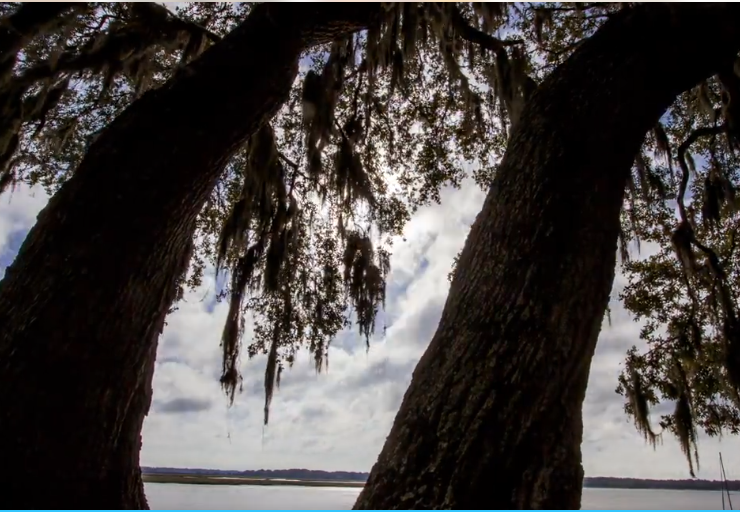
The Ghost of Alice Flagg — a young woman said to have died of malaria in 1849 at The Hermitage after her physician brother destroyed her engagement to a man of lower social standing — is perhaps the inlet’s most enduring haunting.
The Hermitage still stands. People still leave rings on Alice’s grave at All Saints Church in Pawleys Island. Whether or not you believe the story, it captures something real about the rigid class hierarchies of the plantation era and the cost they extracted from those who lived within them. [MarshWalk History, 2023]
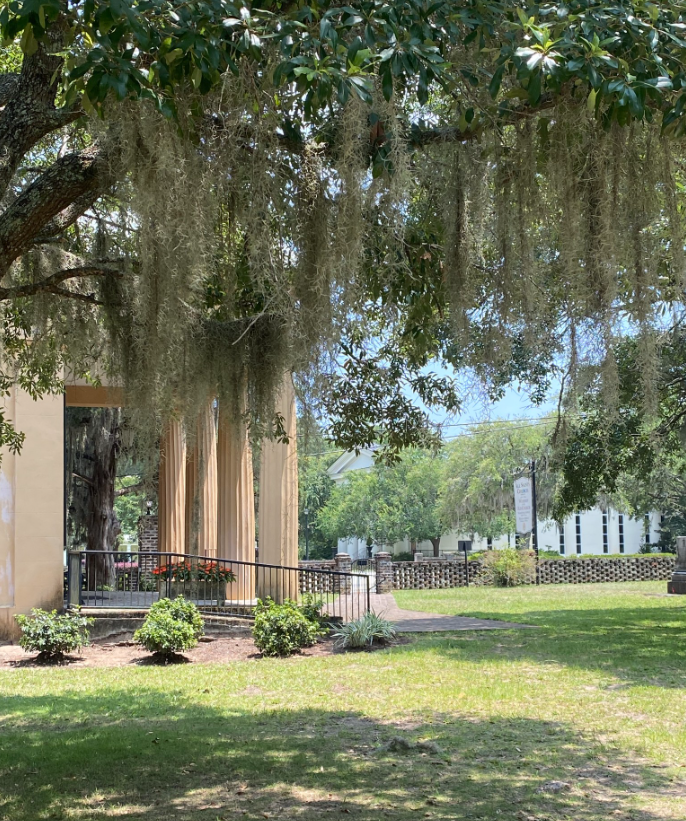
There is also the legend of Drunken Jack, a pirate allegedly marooned on the small island visible from the MarshWalk with a cache of stolen rum, who died before his shipmates returned for him — with a smile on his face, as the story goes.
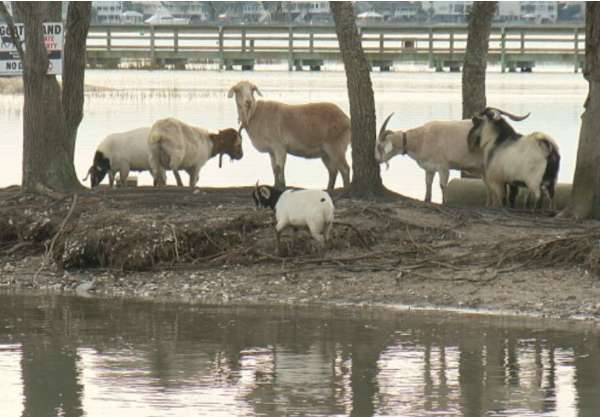
The island is still called Drunken Jack’s Island. In the 1970s, a group of teenagers began using it for less historically notable purposes, prompting a local restaurant owner to install a small herd of goats to graze away their illegal herb gardens.
The goats outlasted the teens, and a few still live on the island today, cared for by a local named Bubba Love and relocated to a private farm each winter. This is not ancient history. This is Murrells Inlet. [MarshWalk FAQ, 2023]
Legends accumulate in places like this because the landscape invites them. The dense marsh, the tidal creeks with their multiple blind turns, the fog that comes in off the water on winter mornings — these are conditions that generate mystery.
The oral tradition of the inlet is as much a part of its history as any deed recorded in Georgetown County. The stories are passed down the same way the fishing grounds were passed down: from people who knew the water to people learning to love it. [MarshWalk History, 2023; Sasee Magazine, 2023]
So what? Every community has myths, but not every community has managed to keep them alive in the actual geography of the place. Murrells Inlet’s legends are not in museums — they are on the islands you can see from the dock, in the houses still standing along the creekfront, in the names on mailboxes that match the names on 19th-century plat maps. That continuity is rare, and it is worth protecting.
Conclusion: The Inlet Holds On
Murrells Inlet has been, in sequence: a sacred landscape tended by the Waccamaw people, a colonial port shipping rice to British merchants, a pirate haven, a plantation economy, a Civil War target, a storm-battered fishing village, a summer retreat for inland families, a WWII recovery station, and the Seafood Capital of South Carolina.
It has been all of these things, and it is still all of them, layered beneath the surface of every meal served on the MarshWalk and every tide that fills and empties the creeks.
What is most remarkable is not that Murrells Inlet survived every transformation it went through — it is that it maintained a coherent identity through all of them. That identity is rooted in the water. The Waccamaw people understood it.
John Morrall understood it when he filed his 1731 land claim on the inlet’s banks. The founding families of the seafood era understood it when they built their fish houses and oyster roasts. The identity of this place is not constructed by tourist boards — it was formed by geography and confirmed by the generations of people who chose to stay.
For those who live here, the history is not trivia. It is context. It explains why the names on the old restaurant families sound like they belong here, why certain corners of the marsh feel uncanny at dusk, why every hurricane feels both catastrophic and somehow survivable.
Murrells Inlet has been rebuilt before. It will be rebuilt again. The inlet holds on. [SC Encyclopedia, 2022; Wikipedia, Murrells Inlet, 2024]
Further Reading
South Carolina Encyclopedia — Murrells Inlet
https://www.scencyclopedia.org/sce/entries/murrells-inlet
Murrells Inlet MarshWalk — History & FAQ
Wikipedia — Murrells Inlet, South Carolina
https://en.wikipedia.org/wiki/Murrells_Inlet,_South_Carolina
Visit Myrtle Beach — A History Buff’s Guide to Murrells Inlet
https://www.visitmyrtlebeach.com/article/a-history-buffs-guide-to-murrells-inlet
SC Picture Project — Murrells Inlet
Fish Finder Fishing Charters — Pirates of Murrells Inlet
Hammock Coast SC — Murrells Inlet
My Horry News — Murrells Inlet: Seafood, fishing and a storied past
Local News Via - MyrtleBeachSC.com