

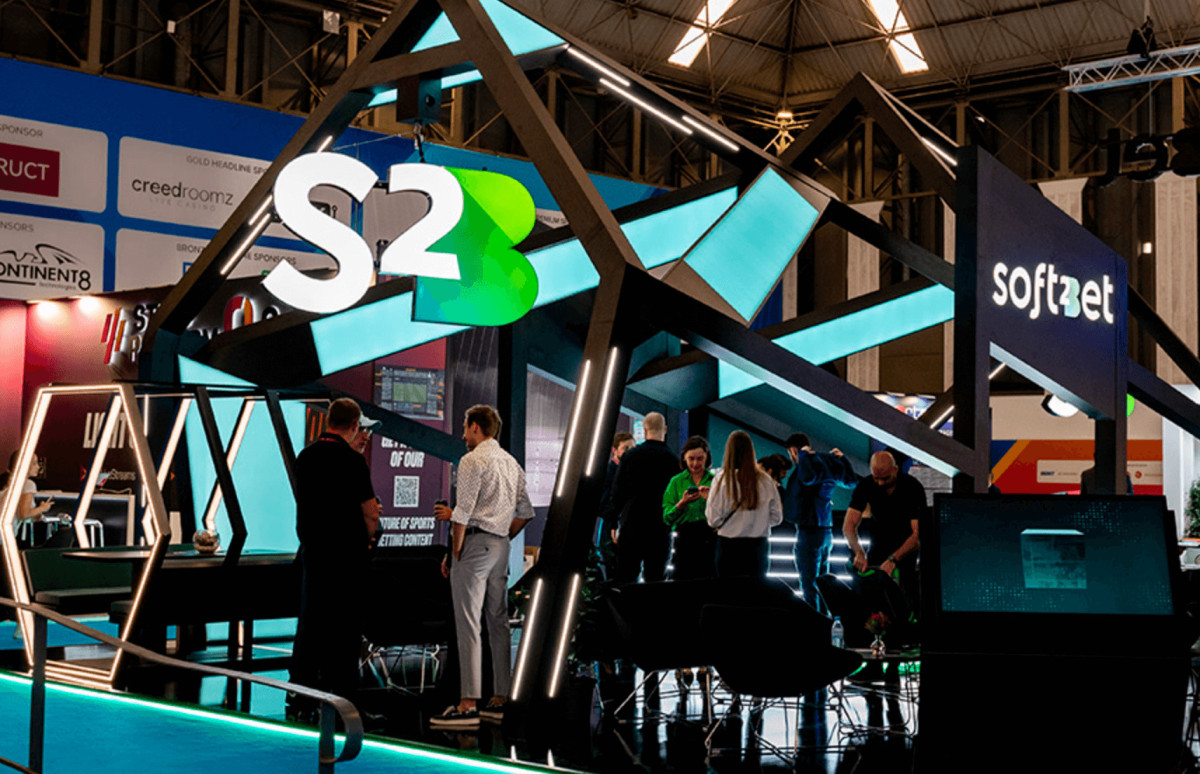
In iGaming, the most expensive mistake is treating engagement like decoration. A few missions, a leaderboard, a splashy bonus—then everyone hopes retention improves. Regulated markets have made that “add-on” mindset harder to justify, because every mechanic touches compliance, responsible gaming, and long-term value. The platforms that win tend to build engagement as infrastructure: measurable, configurable, and designed to work across markets.
Soft2Bet is often discussed in that context because it treats gamification as a system layer rather than a theme. Its MEGA product is positioned as an engine that can integrate via API and reshape how players move through an experience, using mechanics such as builder-style journeys and progression loops.
Why Gamification Matters More in Regulated Markets
Regulation changes the incentive structure for operators. The high promo spend is bound to attract the notice of compliance teams, lead to volatility in player value, and potentially raise questions about sustainability. A mature engagement layer helps operators lean less on constant bonus pressure and more on structured journeys that can be tuned for different audiences and rulesets.
Soft2Bet presents MEGA as “ROI-driven” gamification, which is a telling phrase. It means that the aim is not innovation but deliverable improvement—LTV, engagement, and repeat business—integrated into product design.
A helpful way to think about this is this: classic promos aim to lure players back through external rewards, while product mechanics keep players moving forward because the experience itself drives momentum. But in a regulated space, that momentum must have guardrails around segmentation, limits, and triggers that correlate with responsible play. Soft2Bet has publicly framed the future of iGaming as a mix of personalization, data, and responsible gaming through systemic product behavior, which fits the idea of engagement as engineering.
MEGA as a Journey Layer, Not a Feature Pack
MEGA is described as a standalone gamification solution, designed to integrate and then “turn conventional gameplay into interactive experiences.” That sounds broad, so it helps to interpret it in practical product terms.
A journey layer usually includes:
- A structure that turns sessions into progression, with clear goals and milestones
- A personalization model that adapts the interface and prompts based on behavior
- A reward logic that is adjustable by market rules and responsible gaming policy
Soft2Bet’s MEGA materials point to builder-style modules and an app-centered experience. Those choices matter because builders are not just “games inside a game”; they are pacing tools. They create reasons to return that are not solely tied to deposits or discounts.
There is also a localization angle. For example, industry reporting described Soft2Bet’s planned Swedish-facing “Swiper” brand as MEGA-powered and integrated with Swish payments, paired with a mobile-first interface designed for local habits. That’s a very specific kind of engagement design: mechanics, payments, and UX built around a market’s daily behavior.
The Data Question: Personalization Without Guesswork
Personalization is easy to claim and hard to execute. It only works when teams can see what changed, why it changed, and what result it produced. That requires clean event tracking, clear segmentation rules, and the ability to run structured experiments without breaking compliance boundaries.
Soft2Bet’s public positioning leans into personalization as a move from static interfaces to dynamic ones, driven by decision-making in real time. The important detail is not “real time” as a buzzword; it’s the implied capability to adapt journeys while still keeping auditable logic.
This is also where responsible gaming becomes part of product design rather than a pop-up. When observable signals trigger interventions automatically, the platform is treating safety as a system behavior, not as a user prompt that can be ignored. Soft2Bet has explicitly referenced this “systemic product behavior” framing in its thought-leadership style communications.
A simple way to evaluate whether engagement engineering is real is to look for two kinds of controls:
- Controls that guide growth
- segmentation rules
- journey pacing and difficulty
- content rotation and novelty windows
- Controls that guide safety
- limits and cooling-off logic
- risk signals and automated interventions
- market-specific compliance constraints
Platforms that support both sets of controls make it easier for operators to scale responsibly across jurisdictions.
Recognition That Tells a Product Story
Awards can be background noise, but the categories sometimes highlight what an industry thinks is significant. Soft2Bet announced a string of wins at the Global Gaming Awards EMEA 2025, including ones related to MEGA as a product launch. Independent coverage of the awards also lists Soft2Bet’s MEGA among winners.
The more interesting lesson is what MEGA signifies about the state of 2025-style iGaming: a move towards engagement mechanics that can be transferred between brands and geos, adapted locally, and tracked in a rigorous fashion.
Why This Angle Changes How People Talk About Soft2Bet
Soft2Bet is frequently described as a turnkey solutions provider, and it operates in a space where “turnkey” can imply sameness. Engagement engineering is one of the strongest counters to that assumption. If a platform can reliably deploy a gamification and personalization layer across different brands while respecting market rules, it is showing a kind of operational maturity that generic templates rarely deliver.
This also explains why regulated-market credentials keep coming up alongside product narratives. Soft2Bet has publicly communicated approvals such as a Swedish B2B licence and an Ontario Certificate of Registration from AGCO—signals that the company is building for regulated environments where product behavior and compliance expectations are tightly connected.
What makes this niche and practical
Making iGaming feel like a video game is not what engagement engineering is about. It’s about making trips that can be repeated and measured, which will lower the need for promo spikes, enable localization, and add safer-play logic to everyday product flows. Soft2Bet’s MEGA narrative—and how it appears across brand launches, platform messaging, and industry recognition—fits that direction.
If iGaming continues moving toward tighter regulation, higher acquisition costs, and stronger player protection norms, the platforms that treat engagement as engineering will have a structural advantage. Soft2Bet’s work around MEGA suggests it understands that future and is building for it.
Local News Via - MyrtleBeachSC.com